
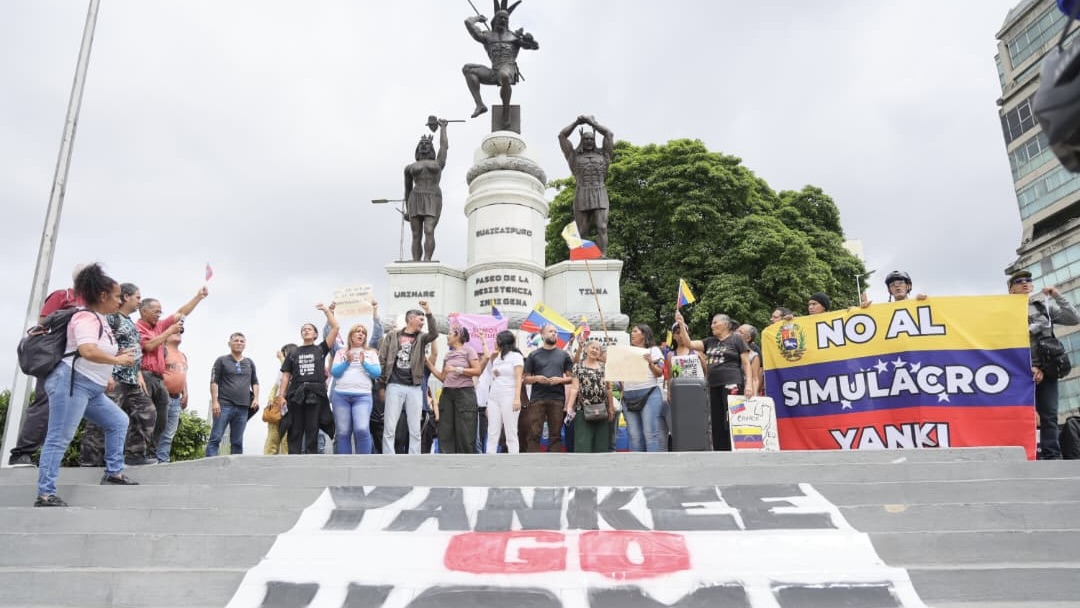
At the same time, several Chavista activists condemned the military exercises and called for an end to such activities.
As with other US imperialist endeavors, the US would relish Cuba’s economic collapse triggering a massive humanitarian crisis, no matter how high the number of casualties.
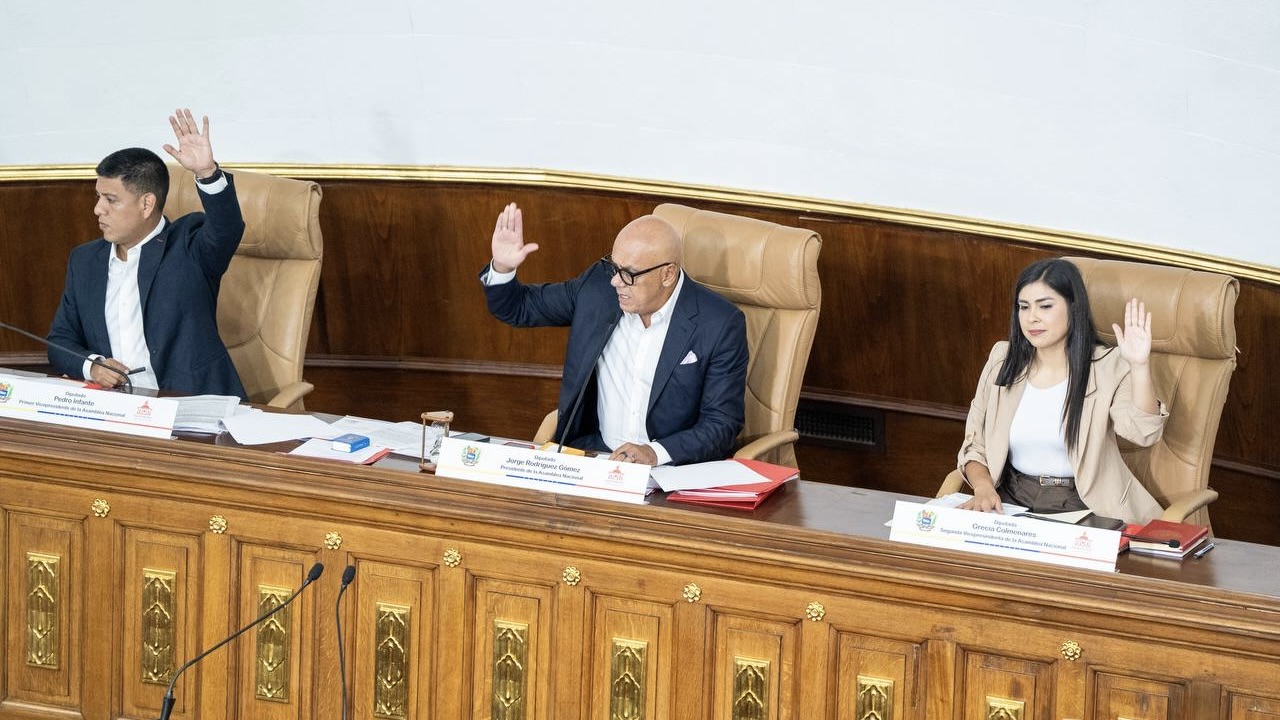
The law sets rules for the extraction of gold and strategic minerals with a focus on ensuring the country’s sovereignty
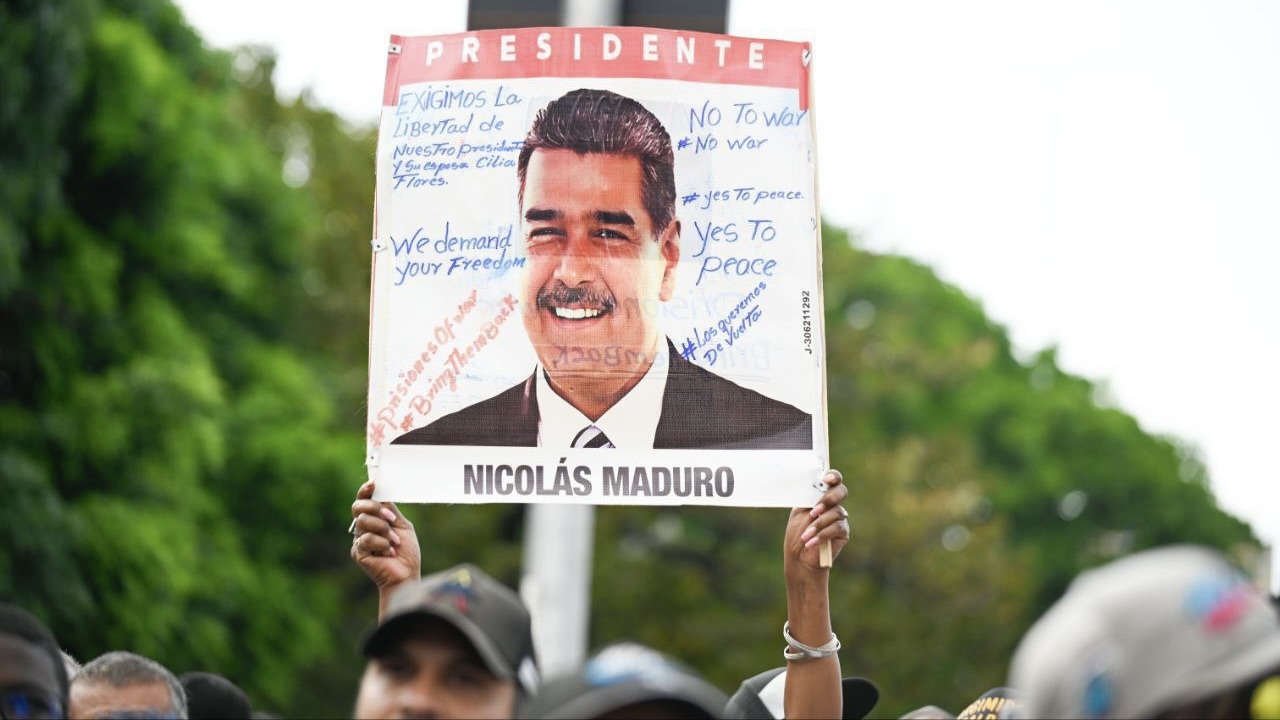
In the latest hearing in the case, the presiding judge questioned the need for US sanctions against Venezuela, given the shift in relations between the two countries.
Just as the false claims of betrayal on January 3 are now easily disproved, so too are the claims of betrayal in the two months since.

According to Venezuelan authorities, the law seeks to bring peace to a highly polarized country. In this article, we review who the law grants amnesty to and what crimes are not covered.
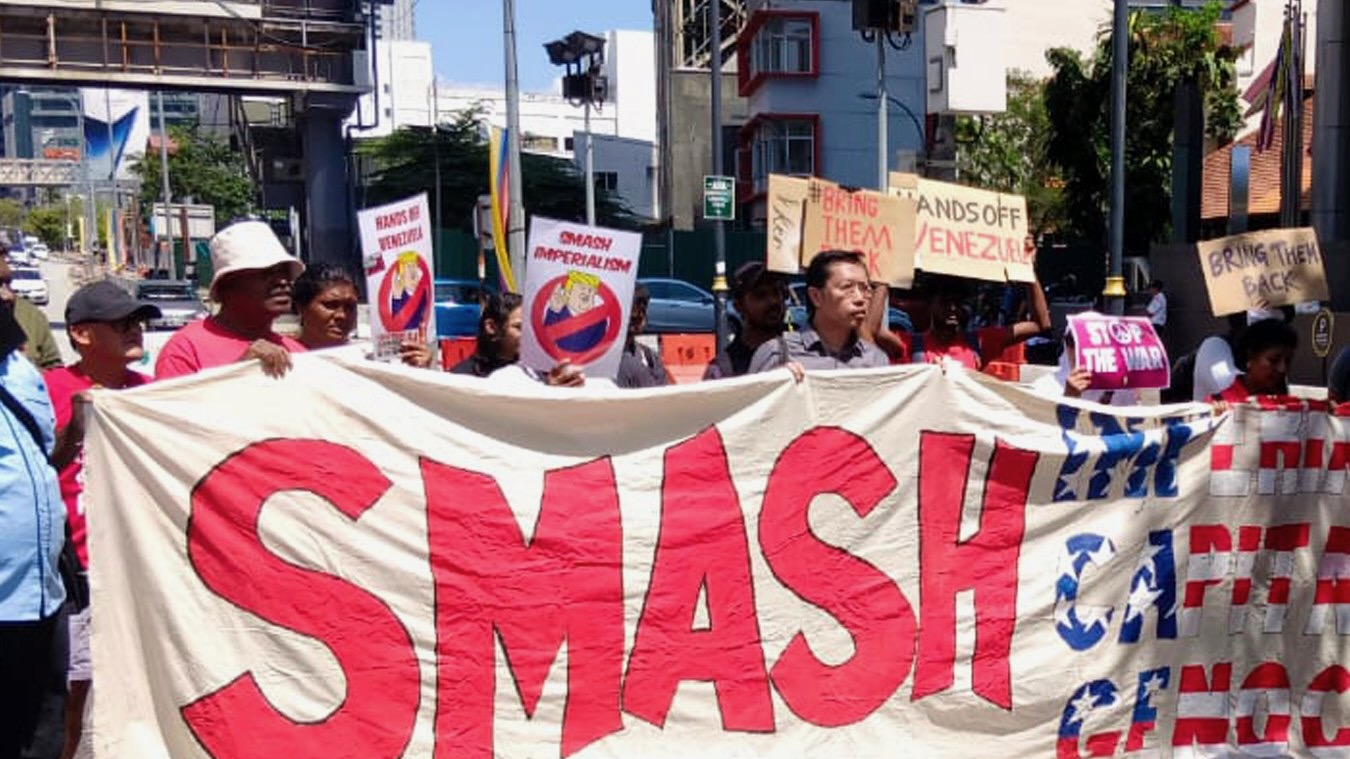
The PSM condemned the ongoing US blockade of Cuba and threats of military force against Iran, calling unilateral sanctions a form of “collective punishment” prohibited by international law.
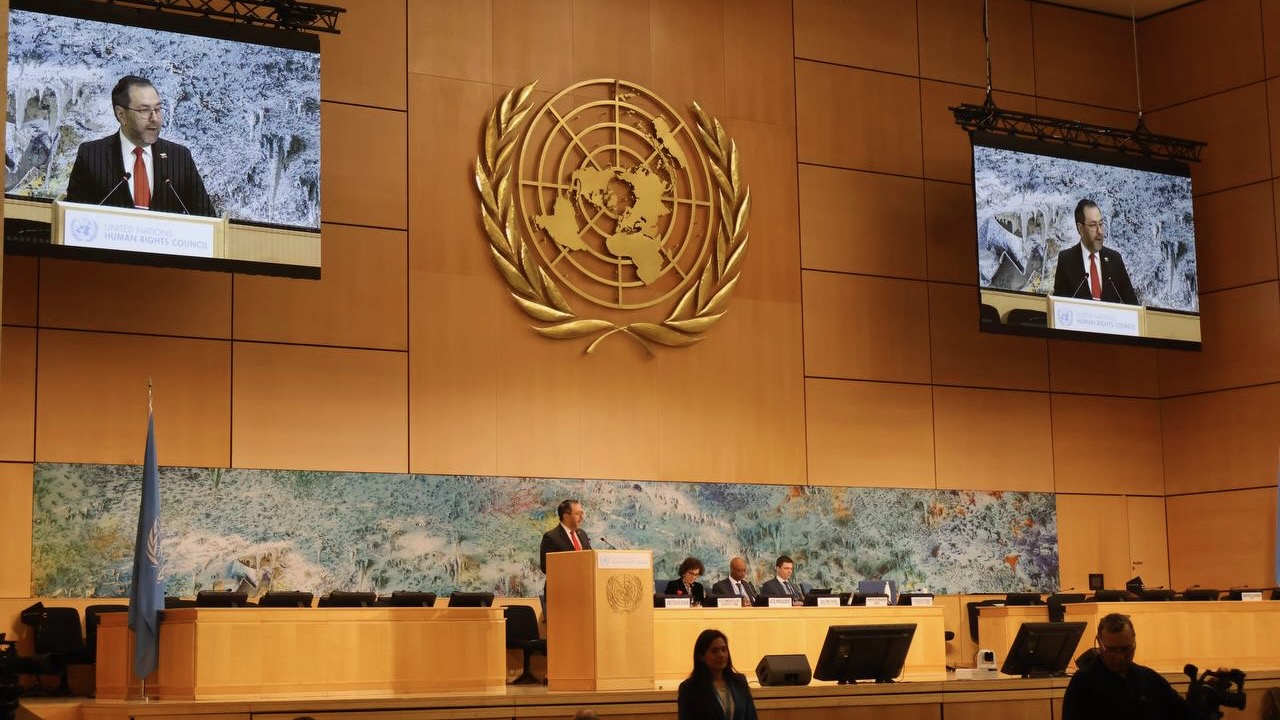
Venezuelan Foreign Minister Yván Gil called for an end to unilateral coercive measures in his address at the UN in Geneva
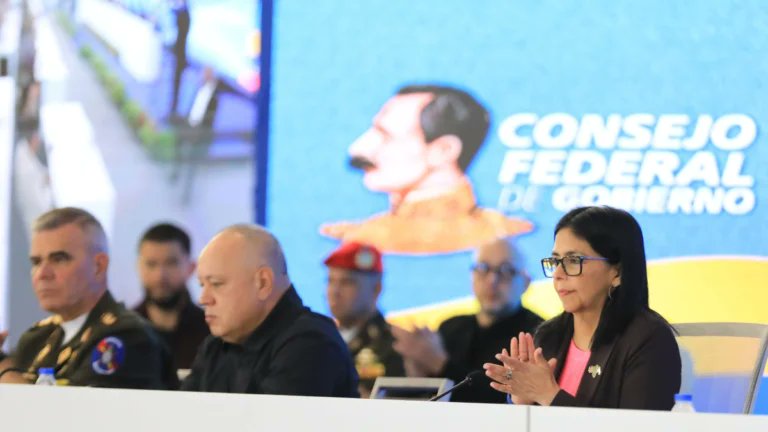
The Bolivarian Revolution has called on the sectors opposed to the government to follow paths framed by democracy, coexistence, and the Constitution of the Bolivarian Republic of Venezuela.
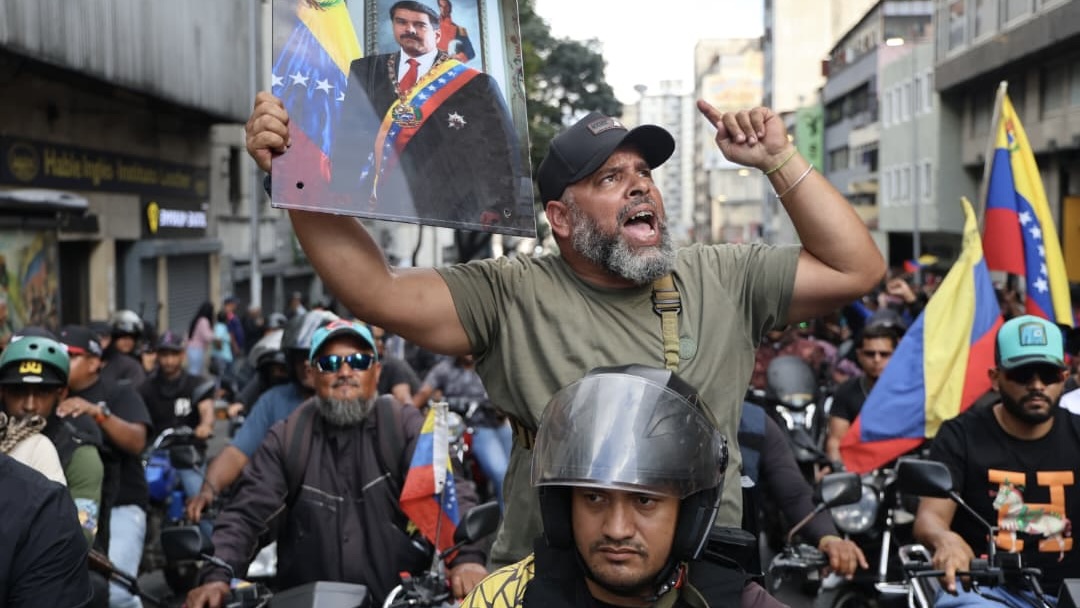
Persistent US threats against Cuba and Venezuela are a grave danger to democracy throughout the region
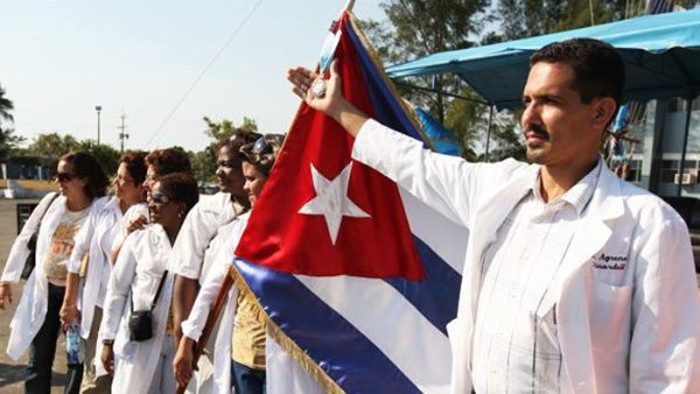
Revolutionary medicine and medical cooperation with Cuba – based also on exchange of oil and health workers – helped Venezuela secure essential healthcare services for thousands of people.

Unlike social democratic projects in the West, Venezuela’s Bolivarian Revolution has set out to fundamentally transform society and build a socialist project rooted in class struggle and run by its people.
- Brazil approves end to 6×1 work schedule and reduction of the work week to 40 hours
- Israel kills 31 people in Lebanon on the eve of Eid al-Adha
- Israel carries out sixth consecutive Eid massacre in Gaza
- Far-right Janez Janša to return for fourth government term in Slovenia
- With peace deal nearly final, US launches fresh attacks on Iran